
[Altered Alma] Kickstarter - Port Mortem

Overview
Project Name: Altered Alma - A darkly beautiful Metroidvania
Campaign Duration: 30 Days
Funding Goal: €40,000
Total Raised: +€250,000
Number of Backers: +5,000
Launch Date: September 3rd 2024
End Date: October 3rd 2024

Timeline of Events
The Game
Before we launched the Kickstarter campaign for Altered Alma, we worked on the game for around 2 and a half years. Time when we worked into building a strong social media presence and follow base.
And almost a whole year of that preparing for the Kickstarter, from copywriting and images, to rewards and tiers, we took our time to study other campaigns, not only for video games, to understand why they worked o why they didn’t and avoid as much as possible the mistakes from both cases!
Pre-Campaign Phase
This wasn’t the first Kickstarter campaign the studio did, as we also launched Dimension Drive and AK-Xolotl, so the basics were there to begin with; the rest was to study the present state and trends of the kickstarter campaigns to understand how to adapt what we wanted to tell to the campaign.
We search for other campaign post-mortems, and also for active campaigns and ended campaign pages; we classified them in order to organize better the information in these criteria:
Metroidvania Games.
Action - RPG Games.
Interesting Upcoming games.
Past Campaigns.
After the classification, we studied on detail every campaign: How they named the campaign, the catchphrase, how they presented the information, the images, how they moved through social media… We took notes and sought for a pattern of their success or what may cause the lack of it.
And made a list of those common points, Things that worked like having a Demo available, a presentable discord server, make a stream for starting and ending the campaign to celebrate with the player. Things to take into account like having Frequent but meaningful Updates, the launch dates or the narrative of the campaign. Stuff to be careful about like Not abusing Physical rewards —it takes money and resources to produce and ship, have someone always there checking on the campaign…
Having all that Pre-Prep would help to reduce the amount of work in the future, and we would have fewer surprises during the campaign, and also we had a better idea on how to do the campaign.
Before launching our Kickstarter campaign for Altered Alma, we knew that having a strong community was essential. From the previous games we had a great start and since we announced the game on Gamescom 2023 we were able to maintain a strong follow base, wishlist and newsletter subscriptions.

Campaign Launch
A few weeks before the launch date, we started to ramp up the social media to hype our followers to follow the kickstarter and wishlist the game, teasing a little bit of the things that might come, and then we went where it all started:
We were back at Gamescom on August 2024, we were lucky enough to be part of Gamescom Awesome Indies stream where we were able to showcase a new Trailer announcing the Demo + the Kickstarter, that helped us to boost a little more the amount of followers that we already had.
Also, having a stand on the Gamescom itself helped us a lot, we were located on the Indie Arena Booth, thanks to that we were present at the Indie Arena Booth - Queen of Indies trailer. But even though we were close to the entrance, our booth was a little hidden from the main route, so it took some time for the people to come in and play the demo we had there.

The launch day was very interesting; as we just arrived from Gamescom we only had 2 days to finish the preparation of the campaign with the last details, we set up a streaming on twitch with the development team for the people to interact with us and be together as we pressed the Launch Button. —And talking about the Launch Button, that was the first thing that “went wrong”, as we launched the campaign live on twitch, 20 seconds later the kickstarter page went down, the amount of people active at that moment was so big that it temporarily collapsed the whole kickstarter page. Fortunately, we took it with humor and worked around it as a funny anecdote on social media.
The good part was that it helped to make noise about the campaign as people were sharing the Kickstarter error page on socials, as we were about to finish the stream we stayed a little longer as we reached the goal in six hours, fortunately we were able to receive the news while live and thank everybody on twitch.
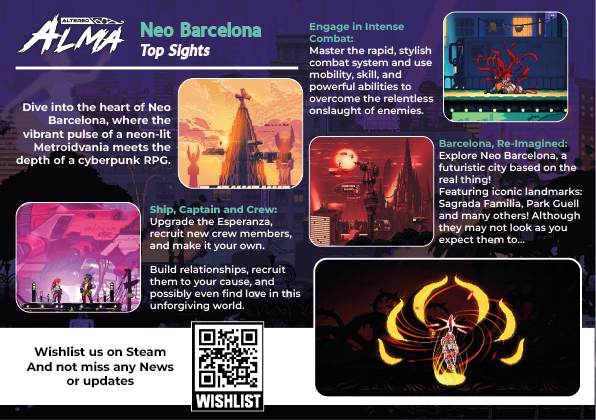
Usually the first 48 hours are the most important moments to get the backers and possible backers' attention to keep growing on the campaign, fortunately we were able to keep a good pace on the first week, as we had almost daily updates celebrating and announcing stretch goals.
The mid-campaign wasn’t as entertaining as the first and last 24 hours, we spend most of the time updating and sharing on social media to make sure we were still relevant during the campaign, so people would join the kickstarter. And also giving support to the Demo (mostly correcting minor bugs and optimizations) and the kickstarter by updating the stretch goals, answering FAQs, comments and provide as much info as possible to the backers and possible backers.
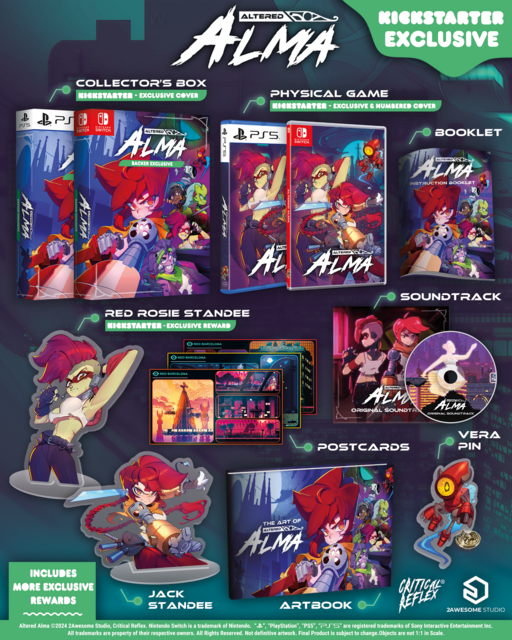
We also shared the stretch goals on social media, that helped a lot to keep building hype around the Campaign as more people would believe in the project and backed the campaign. At the beginning, we had lots of Stretch goals in a short period of time so had to be careful to not be spammy outside of Kickstarter, there they were prepared almost at the moment, but on newsletters and social media we limited them a little in comparison.
Tools and Marketing Strategies
Newsletter & Community Building
We were super careful with our newsletter to avoid spamming people. Instead of sending too many updates, we focused on sharing meaningful news at the right times. Over on Discord, we went all in—listening to feedback, taking suggestions, and sharing fun community clips. One thing that took off was our speedrun channel, which became a hilarious inside joke within the community. Discord became a hub where people could connect, not just with us, but with each other, and that kind of engagement really helped keep the excitement alive throughout the campaign.
Influencers & Cross-Promotion
We initially reached out to influencers in the Metroidvania and RPG communities. While some responded and were a huge help in spreading the word, many didn’t get back to us. So, we decided to change it up and include a few influencers as fun easter eggs in the game demo. This gave them a reason to play the demo themselves, hunting for their channel logos while streaming or recording. It became a memorable way to engage them and ended up generating more buzz than we could have achieved with traditional shoutouts alone.
We also had a cool opportunity to work with Antonio "El Yuste" Yuste, a Spanish streamer who approached us with an exciting idea. With the iconic E3 Expo being canceled, he created an alternative event called Ñ3 to showcase Spanish indie games. Ñ3 is designed to uplift the Spanish game development scene, giving a platform to creators and the cultural influence around gaming in Spain. Even though, the Ñ3 wasn’t a key event for us like Gamescom, it really helped us to have a boost in Spanish-speaking audiences.
Advertising
We started off using BackerKit and Backercamp for ads on social media, which helped a lot early on with trailers and custom content. But like anything, it couldn’t keep growing forever, so we switched to Jellop to keep things rolling. This ended up working out really well—we were able to maintain a positive ROAS (Return on Ad Spend) throughout the campaign, so the investment in ads definitely paid off.
Unique Campaign Strategies
Stretch Goals & Add-On’s: How did you manage stretch goals and add-ons? Were they effective in increasing backer engagement?
Mid-Campaign Adjustments
For the tiers and rewards we wanted to have an option for every budget, from just digital goodies to a full combo of Physical rewards with plushies, figures and even give ideas for bosses and characters within the game. From the smallest thing for people who wanted to contribute and not leaving empty-handed to the juiciest of juice we could offer.
We had Early-Bird tiers who were gone pretty quickly, most backed tier was the Digital copy of the game. So, yes, the Early Bird tier are perfect options to create that initial boost as they want to catch a deal too.
Then we also expanded a little the high rewards tier as we found there was a big gap between the Ultra Collectors edition to the Cyber specialist where the Design rewards started. So we added a tier where the backer could also design a Neon inside the game, unfortunately it didn’t do much and was quickly overran by the tier with the 2 figures when we showcased the Jack x Red special edition figure. After that, we didn’t change much the rewards in the campaign.
Late Campaign.
TALK ABOUT THE NEON & MIRACLE…
And we were finally there, the last 24 hours… and again, are as important if not more as the first ones, at this point campaigns tend to have slower momentum and then peak due to the FOMO (also provoked by posts and newsletter with “LAST CHANCE” in the title), so we took advantage of that small push to convince the backers to upgrade and the people in sound to back the project before the exclusive rewards were gone.
Campaign Highlights
Exceeding the Funding Goal
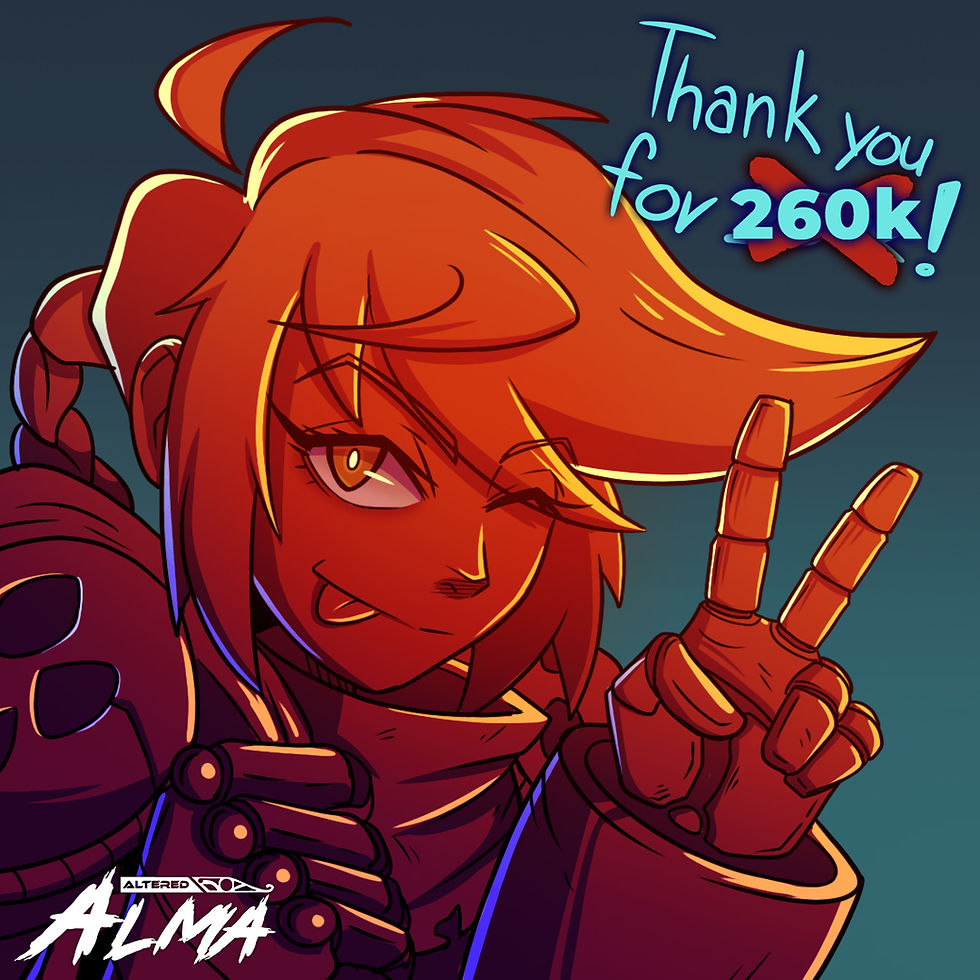
The campaign was remarkably successful, raising €260,337 which is over 6 times the original funding goal of €40,000. This significant overfunding showcases the campaign’s effectiveness in capturing backers’ interest and faith in the project. The project resonated well with the target audience, especially with the Metroidvania, cyberpunk and indie gaming niches.
Large Number of Backers
Achieving over 5,100 backers is an impressive feat for an indie game campaign, to highlight the success in reaching a broad audience. Having this amount of backers indicates not only the success of the exceeding of the funding goal but also the community-building around the game.
Thorough Pre-Launch Preparation
The campaign's success was rooted in meticulous preparation. The team spent almost a year planning the Kickstarter campaign, researching campaigns (both successful and unsuccessful), and adopting best practices such as offering a playable demo, preparing meaningful updates, and avoiding pitfalls like over-commitment to physical rewards. This approach minimized surprises during the campaign and helped us guide strategic decisions.
Strong Social Media Strategy
The team used Twitter as the primary social media tool, where we posted daily content, showcasing game visuals, videos of gameplay mechanic, and engaging with popular hashtags like #indiedev and #screenshortsaturday. This sustained engagement, helped boost visibility and interaction with potential backers. Additionally, they experimented with platform like TikTok, Facebook, and Instagram to target different demographics, adapting the content accordingly. The use of video content and the showcase of the richness of the pixel art animations and background, tends to perform well on social platforms, it was particularly effective in engaging the audience.
Moreover, we leveraged hashtags in multiple languages, such as #ゲーム (Game) and #ドット絵 (Pixel Art) in Japanese, and #게임 (Game) in Korean, to expand their reach internationally. This strategy proved especially fruitful in the Japanese gaming community, where the campaign garnered significant attention, leading to several articles published on Japanese websites. The studio’s presence at Gamescom also attracted Japanese fans, further reinforcing the game’s cross-border appeal.


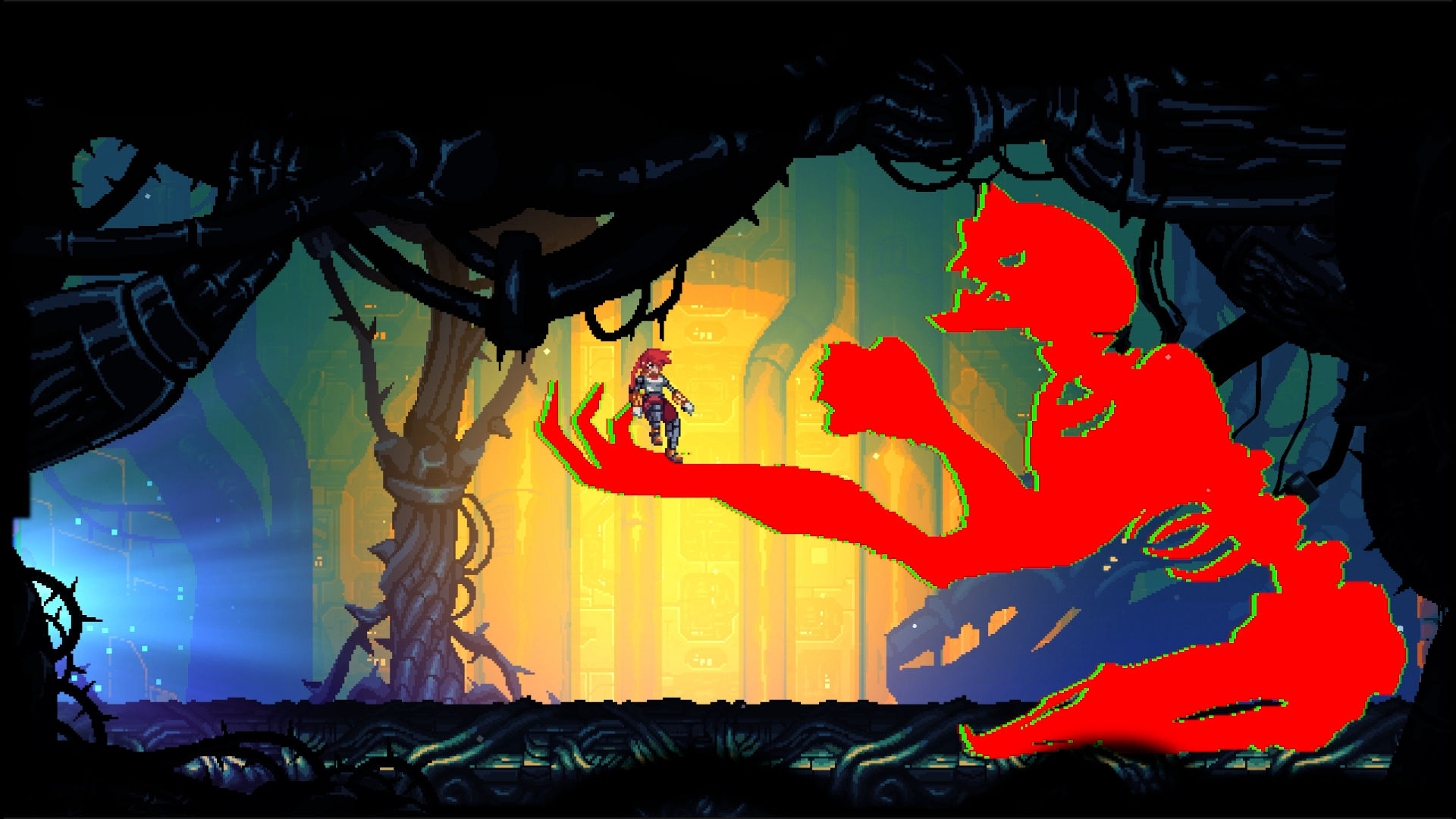

On Instagram we took advantage of the new stories' algorithm so we went for it. Every news we had, FAQ, rewards was also posted as a flashy Story/Reel and saved on the Highlight stories also with a nice cover. With that we did a complete overhaul of the Instagram page to prioritize quality over quantity, planning what post will be made, in what order so they can look nice on the grid, and really paid off that effort, numbers went up and people were loving the art of the game.
Discord and Community Building
Having an active Discord community further strengthened the campaign’s pre-launch foundation. By establishing a place where fans could discuss the game, share their excitement, and connect with the team.This engagement also helped during the campaign by keeping backers informed and connected thought the process. So during the campaign we had an eye almost all the time on the server to talks with everyone who joined and promote speedrunning, something they really liked as the server started to fill with their best marks and clips of their runs and funny moments and bugs.
That kind of genuine and organic engagement leaked from the servers to the social media a little bit, and it also boosted the visibility as community posts are another way to share the projects and not only by the games media by itself.

Key Lessons Learned
Biggest Takeaways
Meticulous Preparation is KeyThe time we spent preparing for the campaign paid off massively. By studying successful and unsuccessful campaigns, setting up our community, and creating a strong social media presence, we minimized surprises during the campaign and made sure we were ready for anything. Having a detailed plan allowed us to stay flexible while keeping the campaign on track.
Community Engagement Drives SuccessBuilding a supportive, engaged community on Discord and keeping them involved with regular updates and fun features like the speedrun channel were invaluable. Our community didn’t just fund the campaign—they were a part of it, and their enthusiasm fueled our momentum.
International Reach Requires Targeted EffortsUsing hashtags in multiple languages and participating in international events like Gamescom, Tokyo Games Show and others helped us connect with audiences beyond our core base. The attention from the Japanese gaming community, for example, showed us that broadening our reach was well worth the effort.
Advice for Future Campaigns
Start Building Your Community Early: Invest time in nurturing your community before you even consider launching. Having a strong base of supporters who are genuinely excited about the project can make or break your campaign. Keep them engaged, and give them meaningful reasons to participate.
Leverage Social Media Smartly: Adapt your content to each platform and be consistent. Daily posts on Twitter worked well for us, while visual-heavy content on Instagram and TikTok helped us tap into broader audiences. Don’t underestimate the power of well-timed, high-quality visuals and videos.
Stay Flexible with Marketing: While we started with BackerKit and Backercamp for ads, we saw the benefit of switching to Jellop when momentum started to slow. Keeping a positive ROAS was crucial, so be ready to adapt and test new strategies as you go.
Conclusion Summary
Our Kickstarter campaign for Altered Alma was both a thrilling and challenging experience, ultimately exceeding our expectations. Thanks to a committed community, a strong pre-launch strategy, and a willingness to adapt, we were able to achieve a funding total of over €260,000 with over 5,000 backers—well above our initial goal.
This campaign underscored the importance of preparation, community-building, and flexibility. Each step taught us valuable lessons, from the power of meaningful engagement on Discord to the impact of switching ad strategies to maintain momentum. Moving forward, we’re grateful for the experience and excited to apply what we’ve learned to future projects.

Comments